About Us
DiscoverMe allow individuals to perform at their personal peak by distinguishing talents and preferences related to the intellectual, perceptual, emotional and physical ability innately to each person. DiscoverMe has been brought together by great minds with the objective of taking more than 30 years’ experience in Brain Dominance Profiling, to the masses.
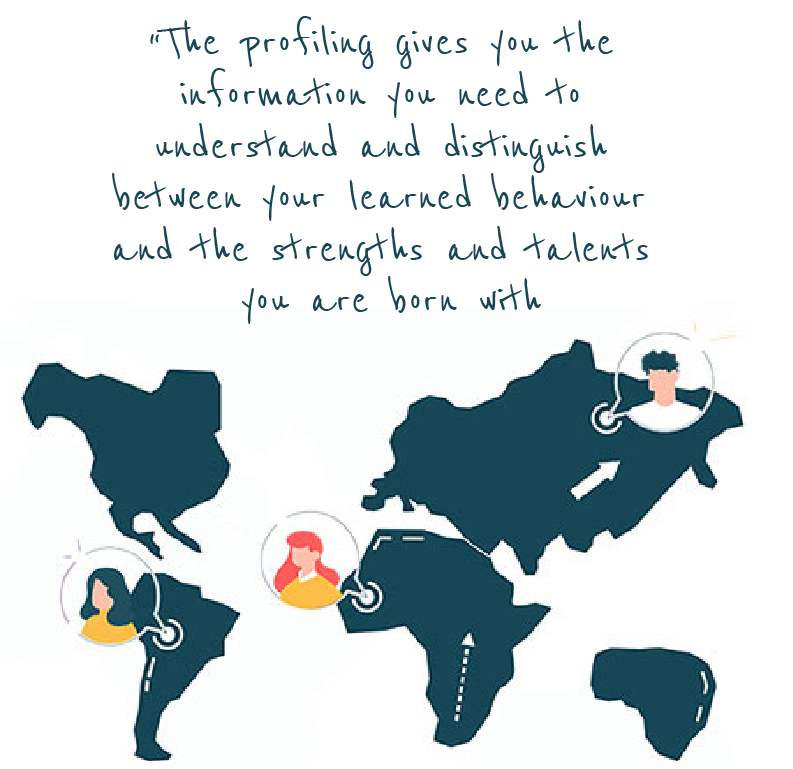
Our system is able to quickly identify your unique blueprint by making use of modern technological methodologies, comparing your genetic preferences and combining that, with our tried and tested formulas. The profiling gives you the information you need to understand and distinguish between your learned behavior and the strengths and talents you are born with. More so, you will also gain insight into what your unconscious stressors are and how to manage such. Thus, providing you with customized guidance and advice relating to your unique needs in order to assist you to discover yourself within a couple of minutes.
Our mission is to empower people to better understand themselves – assisting them in making better informed life choices – and to better understand other people from their own predisposition.
What is Brain Dominance Profiling (BDP)?
Your BDP is established at conception, and although one can learn to adapt one's functioning through experience or learnt behaviour, the BDP remains constant over a person's life time. The person who is fulfilled and functioning optimally at work is likely to be the person who is operating in line with his or her genetic preferences.
DiscoverMe determines a person's BDP through an online-assessment to establish five dominant modalities:
Brain Hemisphere
The dominant brain hemisphere, which dictates how you would prefer to think, handle detail, your levels of creativeness and timekeeping.
Dominant Eye
The dominant eye, which dictates how you perceive and process visual information. A left eye dominance candidate tracks from right-to-left, doesn’t always see detail, is sensitive to negative body language and can be at risk of being taken for a ride. Whilst a right eye candidate tracks from left to right, sees detail quickly and are more objective related to the behaviour or others.
Dominant Ear
The dominant ear, which determines how you hear and process auditory information.
Therefore, determining whether you have a “country club Manger/Mother Theresa” ear having difficulty saying no or do you possibly have a right impatient dominant ear making you assertive and possibly often
interrupting people!

Dominant Hand
The dominant hand, which indicates how the person communicates, follow processes and hand techniques in sport. A right hand person has a structured/straight hand ideal for golf and batting, while a left hand person has an agile hand for tennis and squash.
Dominant Foot
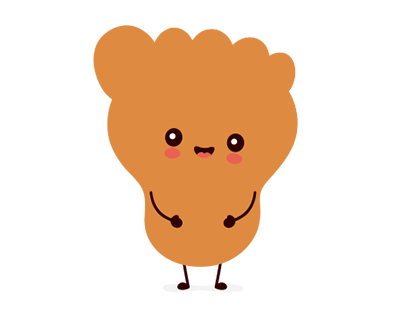
The dominant foot, which indicates how the person
approaches problem solving and/or whether the person has a natural straight or agile foot preference in sport.
The BDP will also assist in understanding how your
behaviour will be affected in stress.
“The combination and interrelatedness of the five modalities makes up your genetic profile.”
Based on the profile, you are able to understand your preferred or natural tendencies and unconscious preferences. In addition to the above, the BDP will also tell you (amongst other things) how you will relate to other people and/or behave at work. It will assist you in understanding your feelings and emotions better and thus, how you will function unconsciously in the various dimensions of occupational behaviour.
Given that the BDP asks physical questions, it means that it is free of all of the biases that traditionally affect the results of a psychometric assessment:
- It is not possible for the candidate to “fake good”.
- The results will not be affected by the emotions of the candidate at the time of assessment.
- There is no need to interpret written questions, and therefore the bias introduced by taking an assessment in a language that is not the candidate’s mother tongue is removed.
Importantly, the BDP will tell you how you will function under stress and what will cause you to stress. For example, will you lose your ability to take in detailed visual information (such as statistical information), or will you be slower in solving problems? Are there times when you don’t want to interact with others, etc.
Other information that can be determined from a BDP includes (inter alia):
- Your barriers to effective functioning.
- Your ideal working environment to function optimally.
- Recommendations to overcome development areas that your profile may flag.
- Relationship needs, such as whether you would prefer written, verbal or visual recognition.
- Your functioning within a team.
- Your management and leadership style; for example, will you be able to reprimand others?
Why is Brain Dominance Profiling Important?
We are able to, by combining the brilliance of Genetic Profiling with our technology, assist with and identify:

- Preferred learning environments and challenges in educational situations.
- Possible learning difficulties and challenges.
- Academic Strengths and Weaknesses.
- Suitable learning styles for the profile.
- Ideal subject choices & career paths.
- How you perceive both social & educational information.
- Possible hyperactive behaviour and how to manage such.

- Preferred work environment to optimize your talent.
- Behavioural stressors.
- Strengths and Weaknesses relating to your role.
- Causes of stress and the handling thereof.
- Relationship needs when interacting with colleagues.
- Unconscious interpersonal communication style.
- Ideal candidates for specific positions.
- Your natural strengths vs learned strengths.
- What happens to your natural abilities under stress.
- Positions that are advantageous in relation to your BDP.
- Interpersonal relationship requirements with team-mates in relation to their BDP’s.
- Consideration of important adaptations and decisions under high-pressure situations.
“Mismatching” in school, work and sport environments continues today for millions of people. It is possibly the biggest single cause of school failure (for example). It is obvious that everyone has different preferences and talents. Pablo Picasso was a great painter; William Shakespeare a phenomenal writer; Lionel Messi, Tiger Woods and Naas Botha great sportsmen; Enrico Caruso a brilliant tenor; Anna Pavlova an outstanding ballet dancer and Dwayne Johnson a fine actor.
Yet many of our schools, universities, and training providers operate as if each person is identical. Even worse is that most are operating with an evaluation system that rewards only a limited number of abilities. These rewards early in life, often set the scene and separate the allegedly gifted and intelligent from those who are claimed to be less intelligent and underachievers.
“But standardised tests don’t test all abilities”.
One of the strongest warnings against labelling and “lumping together” of learners comes from Mel Levine – professor of paediatrics at the University of North Carolina Medical School.
Planet Earth, he says in his book “One Mind at a Time”, is inhabited by all kinds of people who have all kinds of minds.
The brain of each person is unique. He likens the human mind to a complex toolbox, where not everyone may become experts in using all the implements. He prefers developing a profile that identifies each child’s strength and locates those “trouble spots” where facets of a profile don’t “mesh” with some facets of schooling. Dr. Annette Martins from Annette Martins and Associates has done exactly that – agreeing with Dr Levine that it is much more important to identify strengths than to concentrate too much on minor weaknesses.
“It is seldom that we find something so really original and groundbeaking … knowledge from the neurosciences, information about how bodily movement, emotional expression, nutrition, and the social and physical environment influence learning, are all brought together in a remarkable synthesis”
Dr Willis Harman President, Institute of Noetic Sciences
The Team
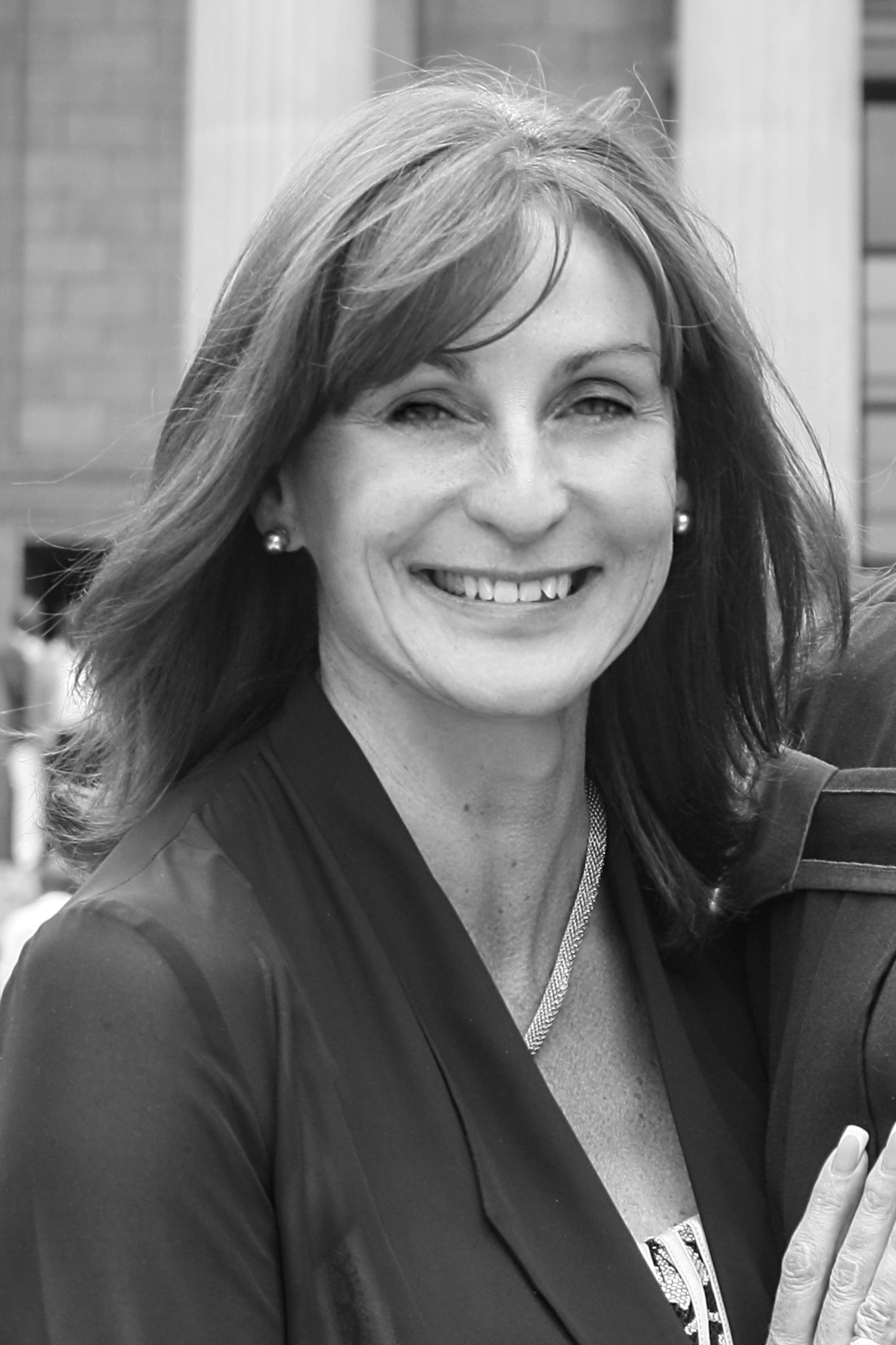
Dr Annette Martins
Co-Founder
Annette Lotter received her doctorate in Education in March 1996 with specific reference to Curriculum Studies at the University of Johannesburg.
She worked at various Tertiary Institutions as a senior lecturer and researcher in curriculum and staff deployment.
Guest lecturing positions were held regarding Curriculum development and factors influencing brain development and cognitive functioning.
To enhance the understanding or the leaner’s predisposition.
She completed training as Edu-Kinesiologist with the Educational Kinesiology Foundation in 1993 with Dr. Marlize Basson and in 1996 with Dr. Carla Hannaford in Brain Gym and In-Depth Kinesiology.
In 1993 she started her practice as Edu- profilogist and training consultant.
She is also involved in corporate assessment and screening as a registered SHL Industrial Specialist.
With the genetic research she is involved in predicting areas of adaptation and resulted stress related work.
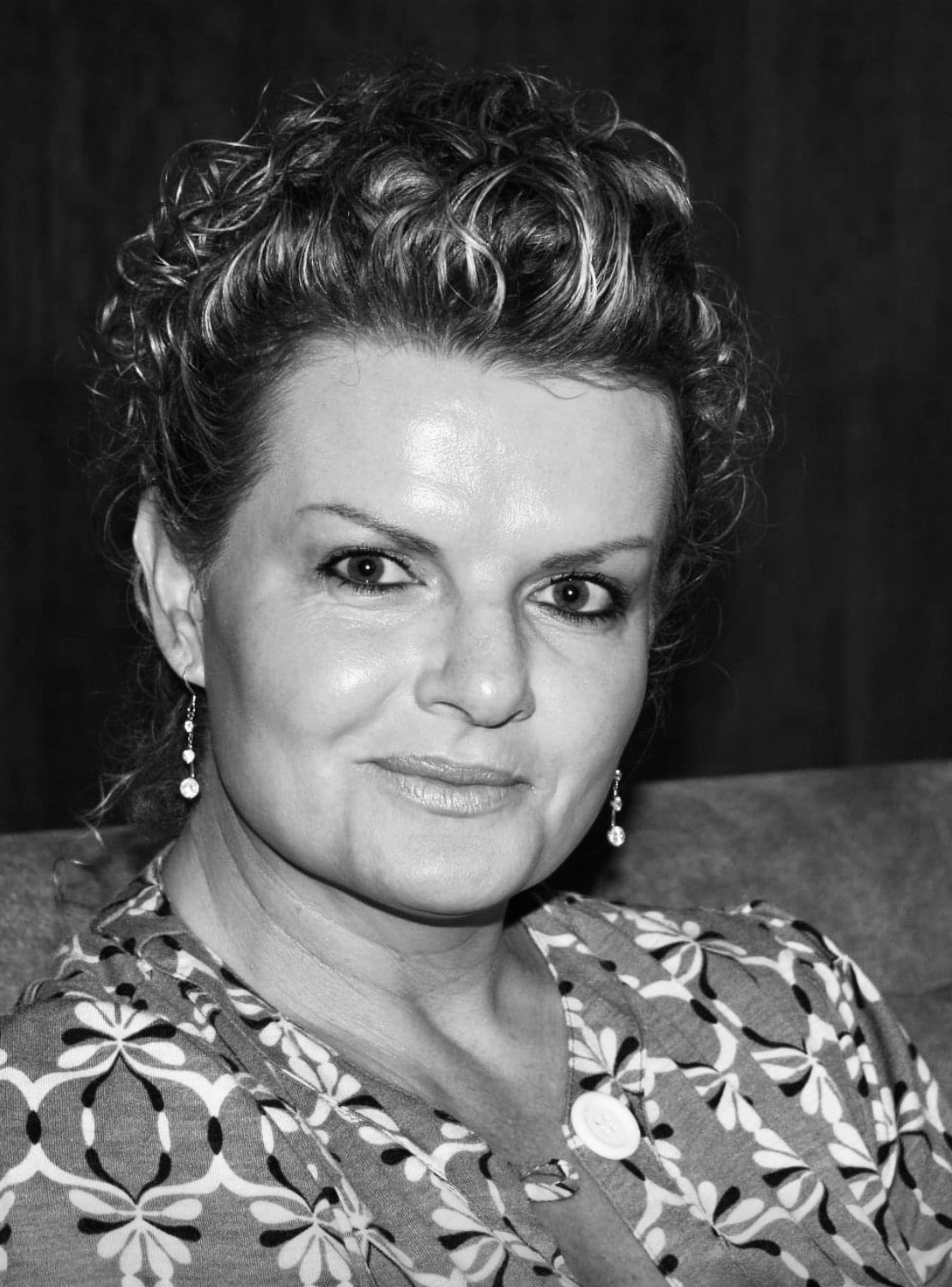
Karen Botha
Co-Founder
University of Nebraska (Lincoln) Bachelors of Science Degree in Education.
Inducted into the University of Nebraska’s Track and Field Hall of Fame
Athletics: Olympian in Barcelona 1992 long jump
African and South African long jump record holder.
African Champion Women’s Long jump 1992
South African Long Jump Champion 1989,1990,1991 and 1992.
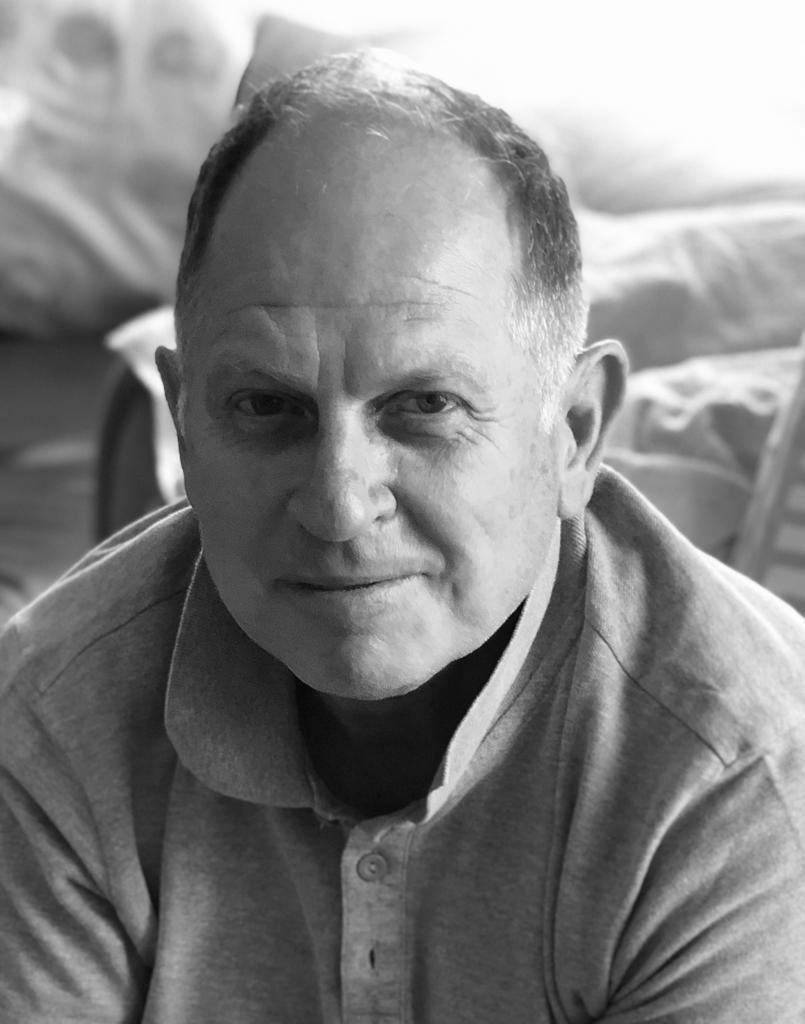
Naas Botha
Founder
University of Pretoria 1976-1980
Inducted into the International Rugby Hall of Fame
State Presidents Award
Rugby: World XV 1986 and 1992
Springbok 1980 – 1992
Springbok Captain
South Africa Rugby Player of the year 1979,1981,1985 and 1987
Captain Northern Transvaal 128 games
Won 9 Currie cup medals
Started Icon Rugby Academy, Sharks Rugby Academy, High Performance Centre at University of Pretoria and Founder of SA Sports Hall of Fame.
American football – Dallas Cowboys
Rugby Analyst with super Sport since 1994. Magazine Rugby programs Boots and All and Super Rugby
Director and Head coach ““ India Rugby.
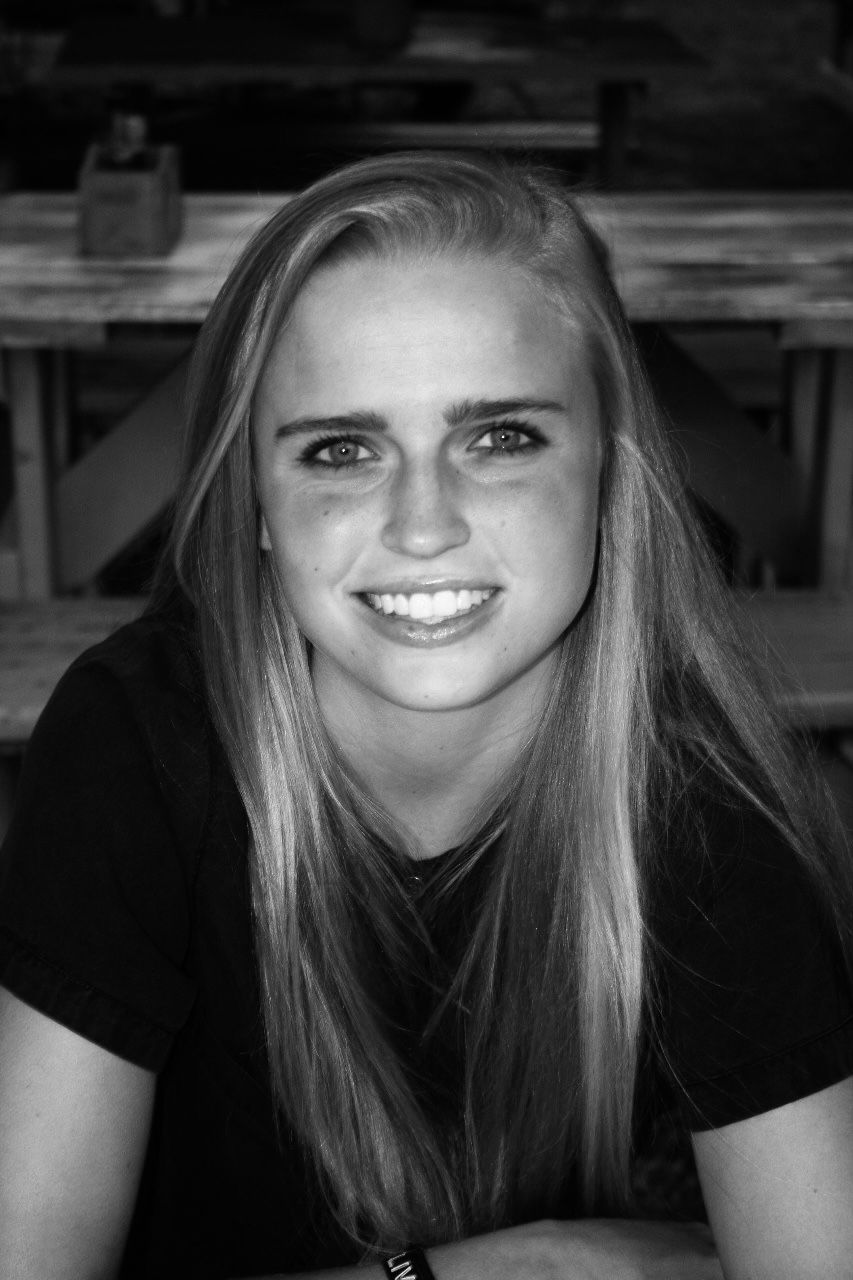
Gaeby Botha
Head of marketing and Media
University of the Free State 2018-2021 Bachelors in Agriculture majoring in Animal production
Northern Gauteng Hockey 2010-2016
Track & Field 400m Hurdles